Korean Fried Chicken Versus Wings Explained
A great wing order can disappear before the first round of drinks arrives. Korean fried chicken can do the same, but it brings a different kind of energy to the table: louder crunch, shinier sauce, and pieces made for passing around. When people ask about Korean fried chicken versus wings, the real question is not which one is better. It is what kind of night you are planning.
For a quick game-day snack, classic wings have earned their place. For a birthday dinner, a late-night catch-up, or a table full of people who want to try a little of everything, Korean fried chicken often turns a side order into the center of the conversation.
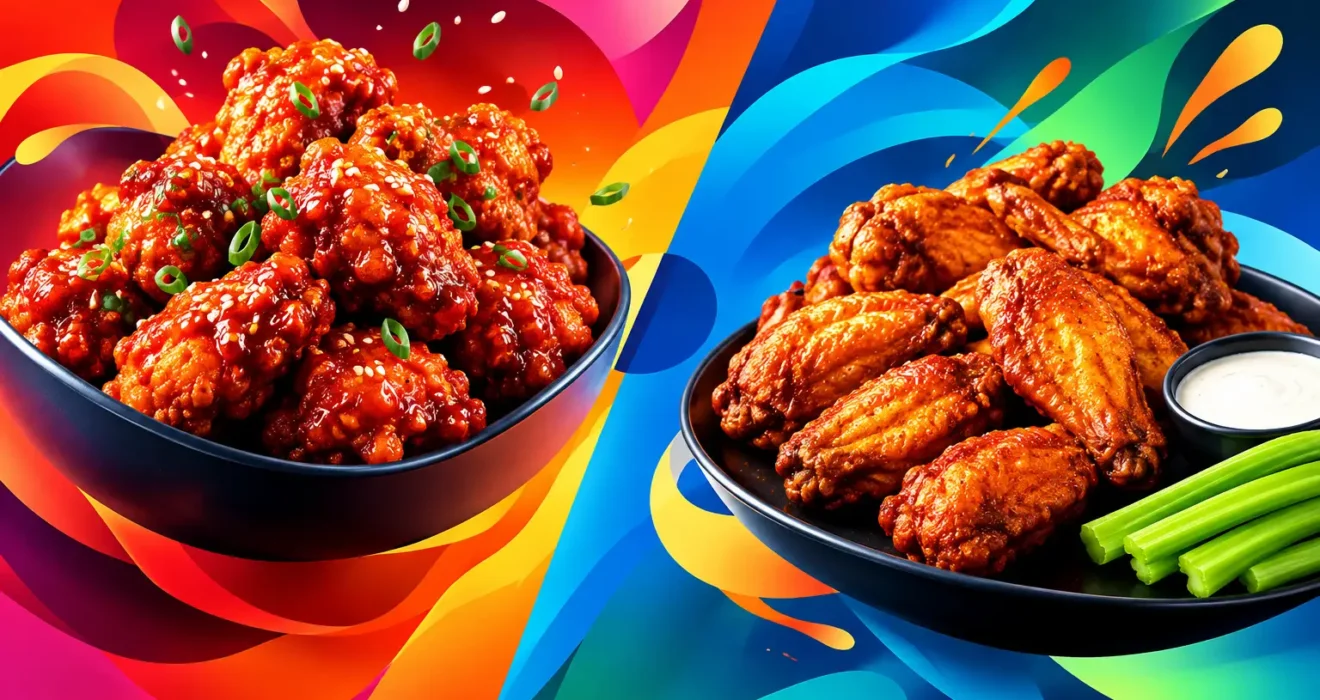
Korean Fried Chicken Versus Wings: The Big Difference
The first thing to clear up is that Korean fried chicken can include wings. The comparison is usually between Korean-style fried chicken and the American wing basket most diners know well. One describes a cooking style and flavor tradition; the other describes a specific cut of chicken.
Traditional American wings are typically separated into flats and drumettes, fried until crisp, then tossed in a sauce such as Buffalo, barbecue, lemon pepper, or garlic Parmesan. They are compact, familiar, and built for casual snacking. The sauce tends to be the main event, whether it is vinegary-hot Buffalo or buttery-garlicky dry seasoning.
Korean fried chicken starts with a different goal: creating a thin, shatteringly crisp coating that stays crunchy even after it meets sauce. It may come as wings, drumsticks, boneless bites, or larger bone-in pieces. Many Korean kitchens use a double-frying technique, rendering more fat from the skin and building that signature crackle without a thick, bready crust.
That means the better pick depends on whether your group wants a focused wing experience or a bigger, more varied shared plate.
The Crunch Is Not an Accident
A classic wing can be beautifully crisp, especially when it comes straight from the fryer. But its skin is usually the star. With Korean fried chicken, the crust itself takes center stage. A light starch-based coating and high-heat frying create a delicate shell that breaks loudly with every bite.
This matters once sauce enters the picture. Buffalo wings are often tossed generously and served right away because the sauce slowly softens the exterior. That juicy, saucy finish is part of the appeal. Korean fried chicken sauces are often reduced, glossy, and designed to cling. The coating still picks up flavor, but it keeps more of its crunch underneath.
Neither style is automatically superior. If you want messy, tangy heat and a stack of napkins, Buffalo wings are hard to beat. If you want crisp texture that holds up through a long dinner and several rounds of sharing, Korean fried chicken has the advantage.
Sauce Is Where the Personalities Split
American wing flavors are wonderfully direct. Buffalo brings cayenne pepper heat and vinegar tang. Barbecue leans smoky and sweet. Lemon pepper delivers brightness and salt. The flavors are bold, recognizable, and easy to match with cold beer, soda, or a sports broadcast.
Korean fried chicken tends to layer sweet, savory, spicy, and aromatic notes in the same bite. Soy garlic delivers deep savory flavor with a touch of sweetness. Spicy sauces may build from gochujang, the fermented Korean red chile paste that adds heat, sweetness, and gentle funk. Honey butter styles bring a rich sweet-salty finish, while a simple crispy option lets the chicken speak for itself.
The trade-off is simple. Traditional wings make it easy to commit to one familiar flavor. Korean fried chicken rewards the table that wants variety. Order one savory batch and one spicy batch, then let everyone reach for their favorite. For groups with different heat tolerances, that flexibility keeps the meal fun instead of turning sauce selection into a debate.
Sweet heat has more range
A spicy Korean sauce is not always just hotter than Buffalo. It can be more rounded. Gochujang-based sauces often start sweet, develop savory depth, and leave a lingering chile warmth. That makes them especially good alongside rice, pickled vegetables, grilled meats, and fresh rolls.
Buffalo, meanwhile, gives a cleaner hit of acid and heat. It cuts through rich ranch or blue cheese and feels tailor-made for a simple wing-and-drink moment. Craving one does not cancel out the other. They simply set different moods.
Cuts Change How You Share
Wings are built for individual snacking. Everyone knows the move: grab a flat or drumette, choose a dip, and work around the bone. They are ideal when a few friends are splitting appetizers or when each person wants a reliable number of pieces.
Korean fried chicken offers more formats. Bone-in pieces bring juicy meat and maximum skin. Boneless chicken makes sharing easier for diners who would rather skip bones entirely. Wings offer the familiar hand-held experience, while drumsticks and larger pieces feel more substantial.
For a group meal, that range can matter more than people expect. One person wants crispy wings, someone else wants boneless bites, and another wants something substantial next to grilled meats or sushi. A Korean fried chicken order can meet the table in the middle without making anyone settle.
At GogiNori, that kind of variety fits the way people actually gather: a little Korean BBQ on the grill, fresh sushi in the middle, fried chicken passed from one side of the table to the other, and plenty of conversation between bites.
Which One Works Best for Your Plan?
Choose classic wings when the craving is specific. Maybe it is game night, a quick happy-hour bite, or that unmistakable pull of Buffalo sauce with ranch. Wings are familiar, easygoing, and perfectly satisfying when you want flavor without turning the meal into a production.
Choose Korean fried chicken when the food needs to travel across the table. It works especially well for celebrations, friend groups, family dinners, and nights when the order includes more than one kind of food. The crisp coating, sauce choices, and mix of cuts make it feel generous and customizable.
Takeout is another place where the distinction can show. Sauced wings are best enjoyed quickly, though they still satisfy when the craving hits. Korean fried chicken’s lighter, crunch-forward coating can often hold its texture more successfully on the ride home, especially when sauce is applied with care. Still, no fried chicken is at its peak after sitting too long. Open the box, gather the crew, and eat while the crust is still singing.
The Best Order Is Usually a Mix
There is no rule saying a table must choose one lane. A classic wing flavor can bring familiar heat, while Korean fried chicken adds texture and deeper sweet-savory options. Pair either with crisp pickled sides, cool drinks, and plenty of shareable dishes to reset your palate between bites.
If you are ordering for a crowd, think beyond headcount. Consider spice preferences, whether guests want bone-in or boneless chicken, and what else is coming to the table. Rich grilled meats may call for a spicy or soy garlic chicken that cuts through the savory flavors. A sushi-heavy spread might pair beautifully with plain crispy chicken or a milder sweet-savory sauce.
The best shared meals leave room for the person who wants the classic, the friend who orders the hottest sauce available, and the guest who says they are not hungry before reaching for a second piece. Order with that table in mind, pass the napkins, and let the crunch do its work.