A Guide to Korean Banchan at the BBQ Table
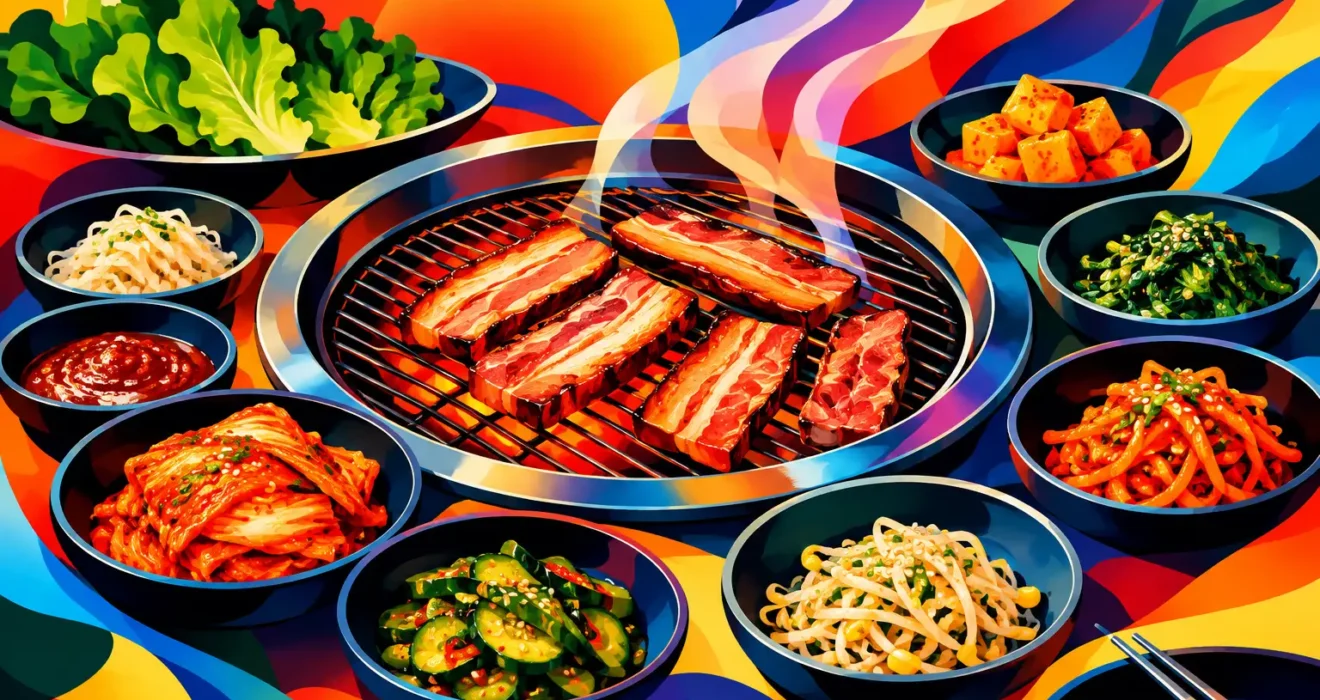
The grill is sizzling, the first cuts of beef are almost ready, and then the table starts to fill with little plates: bright red kimchi, glossy black beans, chilled vegetables, creamy potato salad, and more. This guide to Korean banchan is your invitation to enjoy those dishes as more than a pre-meal snack. They are part of the rhythm of Korean dining – made for sharing, mixing, and keeping every bite exciting.
At Korean BBQ, banchan turns a meal into a table-wide experience. One bite may be rich and smoky, the next crisp and tangy. That contrast is the point. Whether you are planning a birthday dinner, bringing the family out, or meeting friends after class or work, knowing how banchan works makes the whole spread feel even more fun.
What Korean Banchan Means
Banchan refers to the small side dishes served alongside Korean rice and main dishes. The word covers a huge range of preparations, from fermented vegetables and savory braised potatoes to light salads, fish cakes, pancakes, and more. There is no single fixed set of banchan. What appears on the table can change with the season, the restaurant, and the rest of the menu.
The key idea is variety. A Korean meal often brings together different temperatures, textures, and flavors at once: spicy, sweet, salty, sour, crunchy, soft, fresh, and deeply savory. Banchan gives diners something to reach for between bites of grilled meat, rice, sushi, or stew. It also keeps a shared meal moving, because there is always another dish to pass, try, and talk about.
At a restaurant, the selection may be more streamlined than the generous homemade spreads served in Korean homes. That does not make it less meaningful. A few well-chosen dishes can still deliver the contrast that makes Korean BBQ so satisfying.
The Banchan You May See at the Table
Kimchi is the banchan most diners recognize first. Traditional napa cabbage kimchi is fermented with chili pepper, garlic, and other seasonings, giving it a bold, tangy bite. Its acidity cuts through fatty pork belly, short rib, and richly marbled beef. If you are new to kimchi, try a small bite with rice or tuck it into a lettuce wrap with grilled meat.
Pickled vegetables, often called jangajji, bring a clean, sharp crunch. These might include radish, cucumber, garlic, or peppers preserved in a seasoned brine. They are especially good when the grill is loaded with richer cuts. Think of them as a reset button for your palate.
Seasoned bean sprouts and spinach are common lighter choices. Bean sprouts, or kongnamul, are often crisp and gently nutty with sesame and garlic. Seasoned spinach, called sigeumchi namul, is tender, savory, and sesame-forward. Both add an easy vegetable bite without competing with the main event.
Potato salad might surprise first-time diners. Korean-style potato salad is often smooth, lightly sweet, and creamy, sometimes with bits of carrot, corn, egg, or apple. It is a softer, comforting counterpoint to spicy kimchi and caramelized meat.
Braised potatoes, known as gamja jorim, are another crowd-pleaser. Small potatoes simmer in a sweet-savory sauce until tender and glossy. They work beautifully with beef but are also a friendly starting point for anyone easing into Korean flavors.
You may also find fish cake, or eomuk, prepared in a savory-sweet sauce; spicy cucumber salad; marinated tofu; seaweed; or small pancakes. Some dishes bring heat, while others are intentionally mild. A balanced table needs both.
How Banchan Belongs With Korean BBQ
Banchan is not meant to sit untouched while you focus only on the grill. Build it into the meal from the first round of meat onward. Take a bite of kimchi after a rich piece of brisket. Add seasoned spinach to a bowl of rice. Pair sweet potato salad with spicy chicken. There are no rigid combinations you have to memorize.
One of the best ways to enjoy banchan is inside a ssam, or lettuce wrap. Start with a lettuce leaf, add a piece of grilled meat, then layer in rice, kimchi, a slice of garlic, or a touch of sauce if you like. The wrap should be flavorful, but it does not need to be overloaded. Too many wet or strongly seasoned elements can bury the taste of a premium cut.
This is where a group meal gets especially good. Someone at the table may love the spicy kimchi, while someone else keeps reaching for the potatoes and pickles. Pass dishes around, compare favorites, and let everyone build a bite their own way. At GogiNori, that shareable energy fits naturally alongside the grill, sushi, and a table full of different cravings.
A Guide to Korean Banchan Etiquette
Banchan is shared, so a little table awareness goes a long way. Use serving utensils when they are provided, or take a portion to your own small plate before eating. Avoid hovering over a dish or picking through it for one specific piece. The goal is to keep the spread easy for everyone to enjoy.
It is also perfectly fine to ask what something is. Korean banchan can look unfamiliar, and a quick question can lead you to a new favorite. If you are sensitive to spice, ask which dishes are mild and which have heat. Kimchi is often spicy and fermented, while potato salad, braised potatoes, egg dishes, and some vegetable banchan tend to be gentler options. Recipes vary, so there is no universal rule.
Refills are another area where expectations can differ. In Korea, banchan refills are a familiar part of restaurant culture, but policies vary by restaurant in the United States. If you finish a dish you love, simply ask your server whether more is available. Ordering what you know you will enjoy helps reduce waste and keeps the table at its best.
Let Contrast Guide Your Next Bite
The easiest way to understand banchan is to notice what your mouth wants after each bite. After fatty beef, reach for something sour or crisp. After spicy pork or fried chicken, choose a cool, creamy, or mildly sweet side. After a salty bite, try rice with delicate greens. Banchan is less about following rules and more about finding balance in real time.
If sushi is part of the table, the same idea applies. Fresh fish and rolls can be clean and rich in a different way than grilled meat. A bite of pickled radish or a light vegetable side can clear the palate before you switch from the grill to a roll. Just keep strong flavors in proportion. Very spicy kimchi may overpower more delicate fish, while a mild banchan can complement it beautifully.
For groups with mixed tastes, banchan also makes ordering easier. The meat lovers have their smoky, grilled centerpieces. The sushi fans have their rolls. Diners who want more vegetables, texture, or a lighter bite still have plenty to enjoy around the table. It is variety without asking everyone to choose the same thing.
Make the Table Part of the Occasion
Korean BBQ is already interactive, but banchan adds the details that make a dinner feel full of possibility. It brings color to the table, gives each person room to customize their plate, and creates those small moments when someone slides over a dish and says, “You have to try this.”
Come hungry, stay curious, and take your time between rounds on the grill. The best banchan bite is often the one that makes the next bite of barbecue even better – and gives everyone at the table another reason to keep talking.Skip Gallery Carousel