Are Sushi Rolls Cooked? What’s Raw and What’s Not
The sushi menu arrives, the table is already talking, and one question comes up fast: are sushi rolls cooked? Some are, some are not, and plenty combine cooked and raw ingredients in the same bite. The good news is that once you know a few menu clues, ordering for the whole group gets a lot easier.
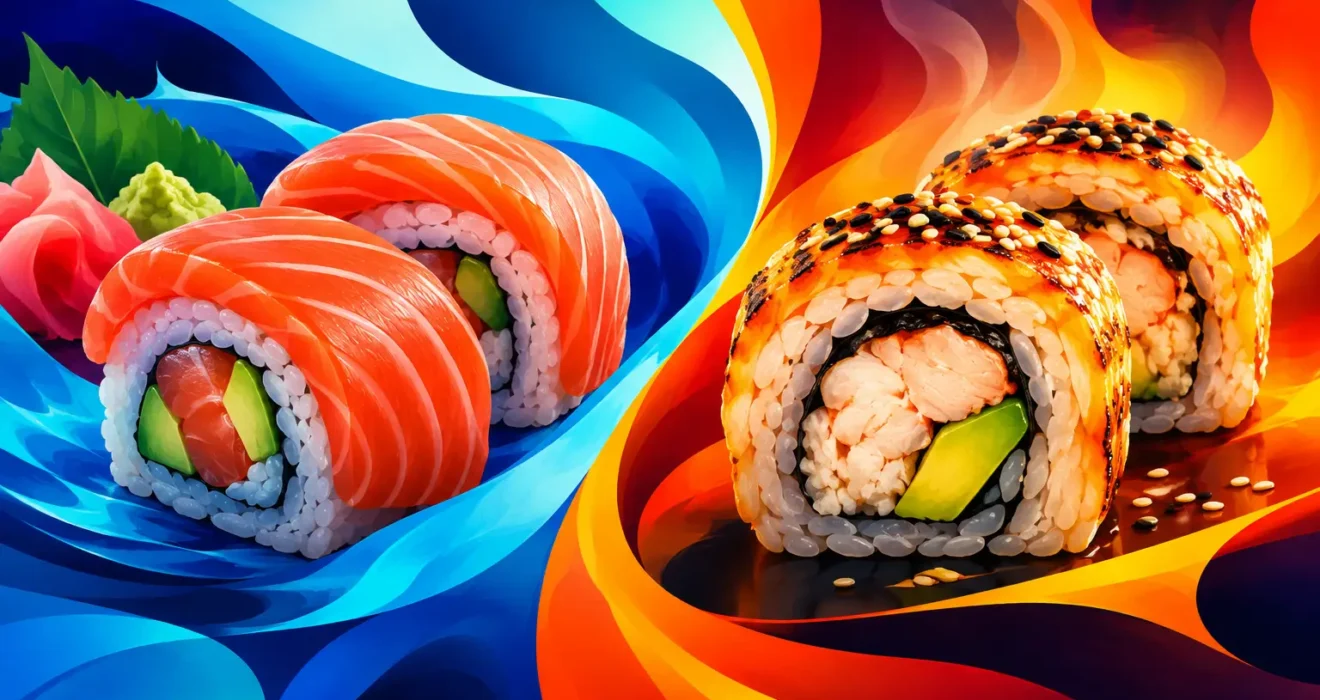
Sushi is built for variety. You can keep it fully cooked, go for fresh raw fish, choose a vegetarian roll, or mix it up so everyone at the table finds a favorite. That is part of what makes a sushi-and-Korean-BBQ night such a crowd-pleaser: one friend can enjoy a baked roll while another reaches for salmon sashimi, then everyone meets back at the grill for the next round.
Are Sushi Rolls Cooked? The Short Answer
Not always. Sushi rolls are defined more by their seasoned rice than by whether their fillings are cooked. A roll may contain raw fish, cooked seafood, vegetables, egg, fried ingredients, or a combination of all of them.
The rice in a sushi roll is cooked. Most seafood may be raw or cooked depending on the roll, while ingredients such as cucumber, avocado, cream cheese, and seaweed are generally served as they are. A tempura roll adds a cooked, fried element, but that does not automatically mean every ingredient in the roll is cooked.
The menu description is your best guide. Words like tempura, baked, grilled, fried, eel, crab, and cooked shrimp usually point toward cooked components. Terms such as tuna, salmon, yellowtail, sashimi, and spicy tuna often mean the fish is raw unless the menu says otherwise.
What Makes a Sushi Roll “Cooked”?
A cooked roll can mean a few different things. Sometimes the seafood itself is cooked before the roll is assembled. In other cases, the roll is topped with a cooked sauce and baked or broiled. And occasionally, a roll is partly cooked because it contains crispy shrimp tempura alongside raw tuna or salmon.
That distinction matters when you are choosing based on taste, dietary needs, or comfort level. A crunchy shrimp tempura roll is typically a friendly choice for diners who prefer cooked seafood. A spicy tuna roll, on the other hand, commonly features raw tuna mixed with spicy sauce. Both can be delicious, but they deliver very different experiences.
Here are four common types you will see on sushi menus:
- Fully cooked rolls use ingredients such as shrimp tempura, cooked crab or imitation crab, grilled eel, cooked shrimp, or baked seafood.
- Raw fish rolls feature ingredients like tuna, salmon, yellowtail, or other fish served uncooked.
- Mixed rolls pair cooked ingredients with raw toppings, such as a tempura roll finished with fresh salmon.
- Vegetarian rolls rely on vegetables, tofu, avocado, cucumber, pickled radish, or other plant-based fillings.
If a roll is described as “baked,” it is usually heated after assembly, often under a rich sauce or seafood topping. That can create a warm, savory, shareable plate with a totally different feel from a chilled raw fish roll.
Popular Cooked Sushi Roll Choices
For someone trying sushi for the first time, cooked rolls are an easy place to start. They bring familiar textures – crispy, grilled, creamy, savory – while still giving you the fun of sushi rice, nori, and bright sauces.
California rolls are often made with imitation crab, avocado, and cucumber. Imitation crab is generally cooked, although recipes can vary. Shrimp tempura rolls feature battered, fried shrimp for crunch. Eel rolls use unagi, which is traditionally cooked and glazed with a sweet-savory sauce. Cooked shrimp, crab-based rolls, and baked specialty rolls are other common choices.
Just remember that sauces and toppings can change the answer. A roll may start with cooked shrimp tempura, then arrive topped with raw salmon, tuna, or spicy tuna. If you are avoiding raw seafood, ask your server whether the topping is cooked too. A quick question can save you from guessing and help the kitchen guide you toward the right order.
Rolls That Usually Contain Raw Fish
Raw fish is a classic part of sushi, prized for its clean flavor and tender texture. Tuna, salmon, yellowtail, and scallop are common examples, though preparation varies by restaurant and by roll. Nigiri and sashimi are especially likely to feature raw seafood because the fish is the main event.
Within rolls, spicy tuna and spicy salmon are often raw fish mixtures. A traditional tuna roll or salmon roll is also commonly raw. Specialty rolls may layer raw fish on top of a cooked base, which is why names alone do not always tell the whole story.
Raw does not mean lower quality or less carefully prepared. Freshness, proper handling, trained preparation, and reputable sourcing are central to a great sushi experience. Still, raw fish is a personal choice. If it is not your thing, there is no reason to sit out sushi night – cooked and vegetarian options can bring just as much flavor to the table.
Is Tempura Sushi Fully Cooked?
Tempura means an ingredient has been battered and fried, so the tempura item itself is cooked. Shrimp tempura, for example, is cooked before it goes into the roll. But a tempura roll is not guaranteed to be fully cooked from end to end.
A dragon-style roll might include shrimp tempura inside and avocado on top, which keeps it cooked if there is no raw fish added. Another specialty roll may use tempura inside, then finish with raw salmon or tuna. The same goes for spicy sauces: some contain cooked ingredients, while others may include raw fish.
For a fully cooked order, look beyond the word “tempura.” Ask whether there is raw fish in the filling, on top, or mixed into the sauce. That little bit of menu teamwork is especially useful when ordering several plates to share.
Choosing Sushi Based on Your Preferences
The best sushi order is not about following rules. It is about building a table everyone wants to reach across. If your group includes sushi regulars, first-timers, kids, people who avoid raw seafood, and someone who wants the spiciest roll available, variety is the move.
Start with a few cooked favorites, add a vegetable roll for freshness, and include a raw fish roll if the group enjoys it. Sharing makes it easier to sample without committing to one style. Pairing sushi with sizzling Korean BBQ adds even more range: cool, clean bites of cucumber or salmon can balance rich grilled meats, while a crispy tempura roll brings another layer of texture to the table.
If you are pregnant, have a weakened immune system, have a seafood allergy, or have specific dietary restrictions, choose carefully and speak with your healthcare professional or server as appropriate. Fully cooked seafood may be the better fit for some diners, but preparation and ingredients still matter. Allergens can appear in sauces, imitation crab, tempura batter, sesame, shellfish, and shared preparation areas.
How to Order With Confidence
Do not feel like you need to decode every roll name on your own. Tell your server what you are looking for: fully cooked, no raw fish, no shellfish, vegetarian, mild, spicy, or something great for sharing. They can point you toward menu choices that match your table.
A helpful question is, “Is there any raw fish in this roll, including the topping?” It is direct, specific, and covers the detail most people miss. If you want a warm roll, ask whether it is baked, fried, or served warm. If you want something crispy, shrimp tempura and fried specialty rolls are often strong choices.
At GogiNori, the fun is in making the table your own – fresh sushi for the seafood fans, sizzling BBQ for the grill crew, and enough variety that nobody has to compromise. Order a mix, pass the plates, and let every bite keep the conversation going.
The next time the sushi menu lands in front of you, skip the guesswork: choose the ingredients and preparation you enjoy, ask when a roll is unclear, and make room for one new bite worth sharing.Skip Gallery CarouselStart stop gallery carouse