Yakiniku Versus Korean BBQ Dining Explained
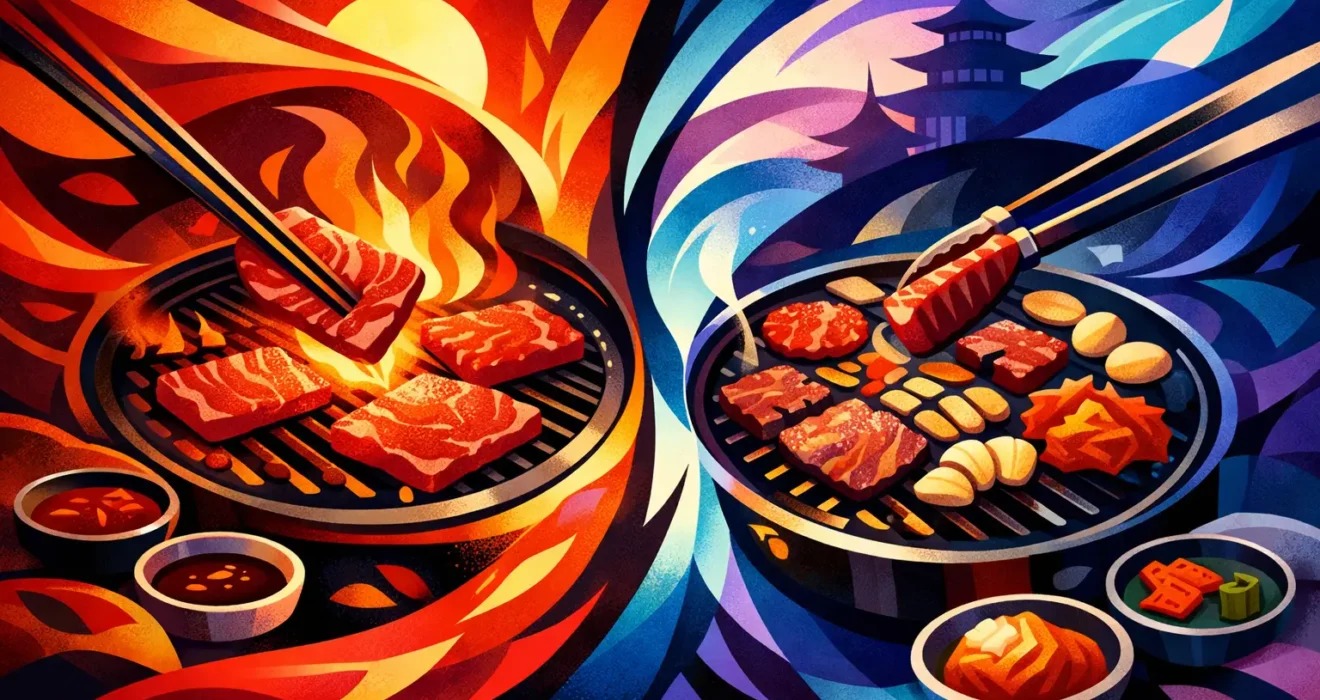
The first round of meat hits the grill, the table gets quieter for a second, and then the conversation starts again: which cut should go next? That shared moment is why yakiniku versus Korean BBQ dining is such a great comparison. Both put guests close to the fire, both turn dinner into an activity, and both are built for coming hungry with people you want to spend time with. But the details – from marinades and side dishes to pacing and party energy – create two distinct nights out.
For an Irvine group choosing where to celebrate, catch up, or solve a serious craving, the better choice depends less on which style is “best” and more on what kind of table everyone wants.
Yakiniku Versus Korean BBQ Dining: The Big Difference
Yakiniku is Japanese-style grilled meat, usually cooked in small, bite-size pieces over a tabletop grill. The word translates simply to “grilled meat,” but the experience often centers on the quality and character of each cut. Diners may order selections individually, grill them briefly, and dip them in a savory tare sauce or season them simply with salt, pepper, lemon, wasabi, or garlic.
Korean BBQ also brings meat to the grill, but it tends to build a fuller spread around it. Marinated beef, pork belly, short rib, brisket, chicken, seafood, rice, soups, sauces, and banchan all contribute to the meal. Banchan are the small shared side dishes that can include kimchi, pickled vegetables, seasoned spinach, potato salad, fish cake, and more. They are not just table decoration. They add crunch, heat, tang, and contrast between bites of rich grilled meat.
Think of yakiniku as a cut-forward grilling experience, where the meat can take center stage with clean, restrained support. Korean BBQ is often a broader, more layered table experience, where the grill is the main event but the supporting cast matters just as much.
The Meat: Simple Seasoning or Big Marinade Flavor?
At a yakiniku meal, you may see prized beef cuts sliced thin enough to cook quickly and precisely. Japanese wagyu, beef tongue, skirt steak, short rib, and pork are common choices. Some cuts are served unseasoned or lightly seasoned because the point is to taste the fat, texture, and natural beef flavor. A quick dip in tare adds sweetness and umami without taking over the bite.
Korean BBQ has plenty of opportunities to appreciate premium meat, too, but marinades play a bigger role. Galbi can be sweet-savory with soy sauce, garlic, sesame, and fruit-based notes. Bulgogi brings tender, thinly sliced beef with bold, familiar flavor. Spicy pork and gochujang-marinated chicken bring heat to the grill, while samgyeopsal, or pork belly, delivers crisp edges and rich, satisfying bites.
Neither approach is more sophisticated than the other. They simply create different cravings. Choose yakiniku when your group wants to compare cuts and enjoy the details of the meat. Choose Korean BBQ when the table wants a bigger mix of sweet, smoky, spicy, savory, and deeply marinated flavors.
Grill Timing Changes the Experience
Yakiniku often rewards close attention. Small pieces cook fast, and a few extra seconds can change a tender slice from perfect to overdone. That makes it ideal for diners who enjoy the rhythm of grilling a bite, eating it right away, then deciding what to try next.
Korean BBQ can be just as hands-on, especially with pork belly, thicker cuts, or marinated meats. But the meal often feels more relaxed and communal because there are more things to snack on between grill rounds. Wrap a grilled piece in lettuce with rice, garlic, kimchi, and ssamjang, then keep the conversation moving while the next order cooks.
The Table Tells You What Kind of Night It Is
Yakiniku can feel intimate, focused, and a little more deliberate. It suits a date night, a smaller group of food lovers, or anyone who wants to slow down and make each cut count. The pace is naturally measured because guests tend to grill in smaller batches.
Korean BBQ is made for momentum. Plates arrive, the grill gets busy, someone reaches for another banchan, and everyone has an opinion about when the galbi is ready. It is one of the easiest meals for a mixed group because there is always another flavor, side, sauce, or wrap to try.
That does not mean Korean BBQ cannot be refined or that yakiniku cannot be lively. A packed yakiniku table can be plenty festive, and a Korean BBQ dinner can be thoughtfully paced. Still, if the plan is a birthday, reunion, team dinner, or spontaneous Friday night with friends, Korean BBQ often brings more built-in variety for the whole group.
Sides, Sauces, and the Perfect Bite
The side dishes are one of the clearest contrasts. Yakiniku meals may include rice, salad, soup, vegetables for grilling, kimchi, and dipping sauces, but the plate usually remains closely tied to the grilled meat. You might pair a beef slice with rice and tare, or finish with a bright, refreshing bite of citrus.
Korean BBQ gives diners more ways to build each bite. Ssam, the Korean practice of wrapping grilled meat in lettuce or perilla leaves, is part of the fun. Add ssamjang, a savory fermented soybean and chili paste, with garlic, kimchi, and rice, and a single piece of meat becomes a complete flavor bomb.
The trade-off is simple. Yakiniku can feel less filling and less busy if you are looking for a long, varied feast. Korean BBQ can feel more intense if you prefer a quieter meal where every bite is about the beef itself. Knowing what your group enjoys makes the choice easy.
Why All-You-Can-Eat Korean BBQ Feels Different
All-you-can-eat Korean BBQ adds another layer to the comparison. Instead of committing to one or two cuts, guests can try a range of meats, return to favorites, and customize the pace of the meal. It is especially helpful when one friend wants brisket, another wants spicy pork, and someone else is all about chicken, shrimp, or vegetables.
The best strategy is not to order everything at once. Start with two or three proteins that cook at different speeds, learn what the table loves, then order your next round with purpose. That keeps the grill from getting crowded and gives every cut a fair chance to shine.
For groups with different appetites, an all-you-can-eat format takes pressure out of ordering. Big eaters can explore. Lighter eaters can focus on a few favorites and sides. Everyone still shares the same lively, hands-on meal.
When Sushi Joins the Table
Korean BBQ works especially well with fresh sushi because the two experiences balance each other. Hot, smoky grilled meat brings richness and energy. Sushi offers a cool, clean contrast with delicate seafood, rice, citrus, and crisp textures. One person can reach for a spicy roll while another wraps pork belly in lettuce, and neither has to compromise.
That is the appeal of a place like GogiNori: it gives a group more than one lane. A table can go big on premium grilled meats, add fresh rolls to share, order crispy appetizers, and keep everyone engaged from the first round to the last bite. For celebrations and mixed groups, variety is not a distraction. It is the reason the meal works.
Which One Should You Choose?
Choose yakiniku when you want a more meat-focused experience, enjoy subtle seasoning, and want to spend time appreciating individual cuts. It can be an excellent choice for a smaller dinner, a serious beef craving, or a night when the grill itself is the main conversation.
Choose Korean BBQ when you want a fuller table, bigger flavors, plenty of sides, and an easy way to feed different preferences. It is a natural fit for friends, family, coworkers, and anyone who believes dinner should have a little noise, a little laughter, and plenty to pass around.
If your group cannot agree, let the table settle it. Order the cuts that make people excited, add sides that invite sharing, and leave room for something unexpected. The best grill nights are not about following rules. They are about staying for one more round because nobody is ready for the conversation to end.Skip Gallery Carousel