How Korean BBQ Grills Work at Your Table
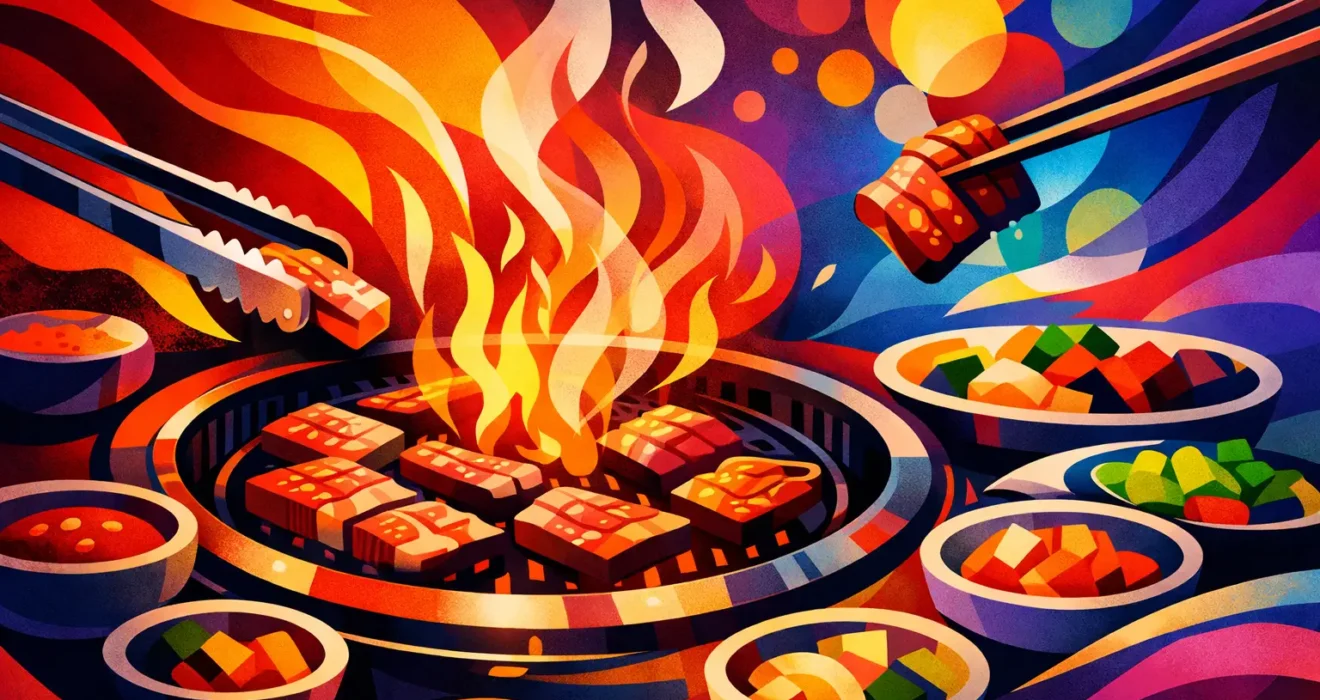
The first sound tells you everything: a slice of marinated beef hits the hot grill, the edges begin to caramelize, and suddenly the whole table is paying attention. If you have ever wondered how Korean BBQ grills work, the answer is part cooking equipment, part ventilation system, and part the reason a group dinner becomes an event instead of just another meal.
At Korean BBQ, the grill is built into the table so everyone can cook, share, and eat at their own pace. That changes the rhythm of dinner. You are not waiting for one plated entrée to arrive. You are turning short rib, wrapping pork belly in crisp lettuce, passing banchan, trying a sushi roll between rounds, and deciding who gets the last perfectly seared piece.
How Korean BBQ Grills Work
Most restaurant Korean BBQ grills are round or rectangular metal cooking surfaces set flush into the center of the table. Underneath is a heat source, usually gas, charcoal, or electric heat depending on the restaurant and grill style. The surface gets hot enough to sear thinly sliced meats quickly while still giving diners control over how browned, crisp, or tender each bite becomes.
At a full-service restaurant, the grill is carefully monitored and maintained so it heats evenly and safely. Staff may light the grill, adjust the heat, change the grate when it becomes too coated with drippings, and help guide cooking when a cut needs extra attention. That support matters, especially when the table is busy catching up, celebrating a birthday, or working through a spread of premium meats and fresh sides.
The grate itself is designed to let fat and juices move away from the food. Many grills have grooves, holes, or a slight slope that channels drippings into a collection area below. This keeps the cooking surface from becoming overly greasy and helps produce those flavorful seared edges without letting meat sit in pooled fat.
The heat source makes a difference
Gas-powered table grills are common because they heat quickly, offer consistent temperature control, and work well in a lively dining room. They are practical for all-you-can-eat Korean BBQ, where a table may cook several rounds of beef, pork, chicken, shrimp, and vegetables over the course of a meal.
Charcoal grills bring a more pronounced smoky aroma and intense radiant heat. They can create an especially bold char, but they require more time, attention, and ventilation. Electric grills are another option, particularly in settings where open flame is not practical. They are clean and controllable, though some diners prefer the deeper sear that comes from flame or charcoal.
There is no single “best” grill for every meal. The right setup depends on the restaurant, the menu, local safety standards, and the kind of experience it wants to create. What matters most at the table is steady heat, a clean cooking surface, and enough room for everyone to participate.
Why the Grill Has Ventilation Above It
Look up at a Korean BBQ table and you will often see a metal hood positioned over the grill. It is not decoration. That hood pulls away smoke, steam, and cooking odors before they spread through the dining room.
As fat drips onto a hot surface, it can smoke and flare. That is normal, and a little sizzle is part of the fun. But a restaurant ventilation system keeps that energy comfortable rather than overwhelming. The hood captures the rising air, moves it through ductwork and filters, and helps keep the room fresh for the next course, the next table, and the next celebration.
Some restaurants use downdraft ventilation instead, which pulls smoke downward through the grill or table. Both systems are designed around the same goal: let guests enjoy the aroma of grilling meat without leaving the restaurant feeling like they spent the evening standing beside a backyard smoker.
The Grill Is Built for Fast-Cooking Cuts
Korean BBQ works so well at the table because many of the meats are sliced or portioned for quick cooking. Thin beef brisket can cook in moments. Bulgogi-style beef caramelizes quickly because its marinade contains ingredients that brown beautifully over high heat. Pork belly takes a little longer, rewarding patience with crisp edges and a rich, savory bite.
Thicker cuts need a different approach. Rather than crowding the grill, give them space so the heat can circulate and the exterior can brown. Turn them with tongs instead of repeatedly poking them, which helps keep more juices in the meat. Once cooked, use kitchen scissors to cut larger pieces into shareable bites. It is efficient, but it also keeps the meal moving.
Seafood and vegetables deserve their own space when possible. Shrimp, mushrooms, onions, zucchini, and corn can pick up flavorful grill marks, but they may cook at a different pace than beef or pork. A packed grill may look exciting, yet it can lower the surface temperature and lead to steaming instead of searing. A few well-timed rounds usually taste better than trying to cook the entire order at once.
Cooking at the Table Is a Team Sport
The social side of Korean BBQ is not an accident. The grill gives every person at the table a role. One friend turns the meat. Someone else builds lettuce wraps. Another reaches for kimchi, rice, garlic, or dipping sauce. Before long, the conversation starts to revolve around the food in the best possible way.
A classic bite might begin with grilled beef, then add rice, ssamjang, kimchi, or a slice of garlic inside a lettuce wrap. There is plenty of room to make it your own. Some diners want a simple piece of Wagyu ribeye with a little salt. Others want a full wrap with every texture on the table. The grill invites both.
That flexibility is especially useful for groups with different cravings. One person may be here for marinated short rib, another for spicy pork, and someone else may want fresh sushi or a roll alongside the grill. At GogiNori, that mix helps groups keep everyone at the table excited, from the first grill round to the last shared bite.
A Few Smart Moves for Better Grilling
Start with less meat than you think you need on the grate. Leave a little open space, especially with fatty cuts, so food browns instead of crowding together. Cook lighter, more delicate items before heavily marinated or spicy meats if you want cleaner flavors on the grill.
Use separate tongs or follow your server’s guidance for raw and cooked food. When a grate gets dark with charred marinade or excess fat, asking for a fresh one is not fussy. It helps the next round cook more evenly and keeps flavors bright.
Most of all, do not rush it. Korean BBQ is at its best in small, hot batches eaten right away. Grill a few pieces, share them while they are sizzling, then send the next round onto the heat. That pace leaves room for conversation, banchan, drinks, and the kind of meal where nobody is checking the clock.
The next time the grill lights up at your table, let it set the pace: cook a little, pass a plate, try something new, and make room for one more shared bite.Skip Gallery Carousel