How All You Can Eat Korean BBQ Works at Dinner
The grill is warm, the first plates of marinated meat are landing on the table, and everyone has an opinion about what to order next. That is the fun of all-you-can-eat dining. If you are wondering how all you can eat Korean BBQ works, the short answer is simple: you pay one set price per person, order from a designated menu, and grill as much as you can comfortably enjoy during your meal.
The better answer is that it is a shared experience with a rhythm of its own. You order in rounds, cook at the table, try different cuts, pass around banchan, and make room for the next great bite. Come hungry, but do not treat it like a race. The best Korean BBQ meals are built around variety, good company, and a table that stays lively from the first sizzle to the final bite.
How All You Can Eat Korean BBQ Works
At an all-you-can-eat Korean BBQ restaurant, each guest typically chooses a dining tier or menu option at a fixed price. That menu determines the meats, seafood, appetizers, and sometimes sushi or specialty dishes available to order. Your server brings selections to the table in smaller rounds so you can cook, taste, and order more when you are ready.
That round-by-round setup is the key difference between abundance and waste. Instead of filling the table with everything at once, start with a few proteins your group is excited about. Once those are cooked and enjoyed, order the next round. It keeps the grill manageable, helps everyone eat food at its best temperature, and lets the group discover favorites as the meal goes on.
Most restaurants set a time limit for all-you-can-eat service, often around 90 minutes to two hours, though policies vary. The clock is not meant to rush a good time. It helps the restaurant keep tables moving for other guests, especially on busy nights and weekends. Arrive on time for your reservation, settle in quickly, and pace your orders so you have time to enjoy what you choose.
The set price usually covers the food on the selected all-you-can-eat menu, not everything in the restaurant. Premium upgrades, drinks, desserts, service charges, and some special menu items may be separate. Ask your server what is included before you begin, particularly if your table includes guests with different appetites, dietary needs, or interest in premium cuts.
The First Order Sets the Tone
A great first order gives your table a mix of flavors and cooking times. A tender beef option, a marinated beef or pork selection, and a lighter item such as chicken, shrimp, or vegetables can make a balanced start. If sushi is part of the experience, consider ordering a roll or a few fresh bites alongside the grill instead of waiting until everyone is already full.
There is no single right order, but there is a smart one. Begin with a modest amount, especially if it is your first visit. Thin slices cook quickly and can disappear faster than expected, while thicker cuts need more attention and more room on the grill. Your group can always order more. It is much harder to recover from a table full of food that no one can finish.
This is also where mixed groups shine. One person may be ready for bold bulgogi, another may want spicy pork, and someone else may be there for salmon sashimi or a California roll. A restaurant that brings Korean BBQ and sushi together gives everyone a way into the meal. You do not have to choose between the grill crowd and the sushi crowd when the table can enjoy both.
What Happens at the Table Grill
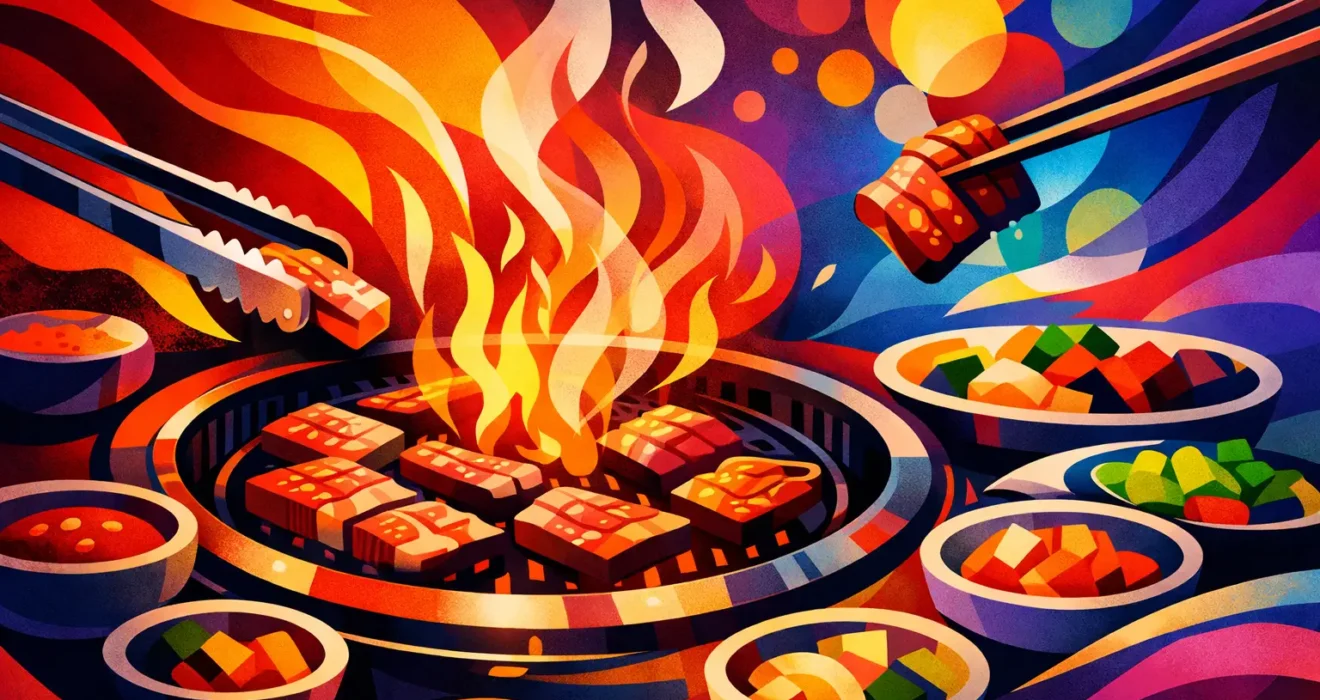
Korean BBQ is interactive because the cooking happens right in front of you. Your server may help start the grill, explain the equipment, change the grate when needed, or offer guidance on certain cuts. From there, the table shares the job of cooking.
Use the tongs provided for raw meat only, and use clean utensils or chopsticks for cooked food. Keep raw proteins on one side of the grill and cooked pieces on the other whenever possible. If your grill gets crowded, slow down. Overloading it drops the heat, creates more smoke, and makes it harder to get the caramelized edges that make Korean BBQ so satisfying.
Thin beef cuts often cook in minutes. Marinated meats may need slightly more time to brown and develop flavor. Pork and chicken should be cooked thoroughly, while seafood should turn opaque and firm. When in doubt, ask your server. Good service is part of the experience, and a quick question can save a great cut from being overcooked.
Do not forget the scissors. At many Korean BBQ tables, kitchen scissors are used to cut larger pieces into shareable bites as they cook. It is practical, fast, and completely normal. A few well-timed snips make it easier for everyone to grab a piece without turning the grill into a wrestling match.
Build a Better Bite
The meat is the center of the meal, but the extras make each bite feel different. Banchan, the small Korean side dishes served with the meal, may include kimchi, pickled vegetables, potato salad, fish cake, or other rotating favorites. They bring brightness, crunch, spice, and acidity to richer grilled meats.
Try wrapping a piece of grilled meat in lettuce with rice, garlic, kimchi, or a dab of sauce. This is often called a ssam, and it gives you a crisp, fresh contrast to the smoky grill. You can also keep it simple: a slice of brisket, a little salt and sesame oil, and a bowl of rice can be perfect.
The goal is not to pile every topping into one oversized bite. Mix it up from round to round. A spicy pork bite might need cooling pickles. A rich ribeye might be best with a little garlic and a clean, bright side dish. Let the table experiment.
The House Rule: Order What You Will Eat
All-you-can-eat does not mean consequence-free. Many restaurants have a food waste policy and may charge for excessive leftovers. That is not a trick or a penalty for having fun. It protects food quality, respects the work behind every plate, and keeps the all-you-can-eat format sustainable.
The easiest way to avoid waste is to order in smaller rounds. Finish what is on the grill before adding more, and check in with the group before sending another order. If one person wants to try a premium cut, order enough for everyone to taste rather than several full plates before you know whether it will be a favorite.
This matters even more with sushi and appetizers. Fresh sushi is best enjoyed soon after it arrives, and fried dishes lose their crunch when they sit too long. Treat each order like an intentional course, not a backup supply. You will eat better, waste less, and have more room to try something new.
Pace Yourself for the Full Experience
The biggest all-you-can-eat mistake is filling up on rice, heavy appetizers, or the first few plates of meat before the table has explored the menu. You do not need to avoid sides, sushi, or fried chicken. They are part of the fun. Just share them, order thoughtfully, and leave room for the dishes you were most excited to try.
A helpful rhythm is to start with signature meats, add a side or sushi roll for contrast, then order a second round based on what the group loved most. If you still have room, now is the time for a premium cut, a new marinade, or a celebratory add-on. Drinks can add to the atmosphere too, but alternating with water helps you stay comfortable around a hot grill.
For birthdays, reunions, team dinners, and friend-group nights, assign no one the job of managing everything. Let one person keep an eye on the grill, another suggest the next round, and everyone speak up about what they want to try. The meal becomes more relaxed when the table shares the work as naturally as it shares the food.
Making the Most of an All-You-Can-Eat Visit
A little planning goes a long way on a busy night. Reservations can make group dining easier, especially when you are celebrating or bringing a larger party. Let the restaurant know about allergies, dietary restrictions, or special occasion plans in advance when possible. Korean BBQ can work for many preferences, but cross-contact at a shared grill and menu availability are worth discussing with your server.
At GogiNori, the experience is designed for exactly this kind of gathering: premium meats on the grill, fresh sushi at the table, and enough variety to keep every guest part of the conversation. It is a natural fit for a casual Irvine dinner that still feels like an occasion.
Wear something comfortable, expect a little grill aroma, and keep your phone ready for the first perfectly seared plate. Then put it down. The best move is to stay present at the table, pass the tongs, try the bite your friend insists you cannot miss, and let the meal give everyone another reason to linger.Skip Gallery Carousel